Professional Flood Cleanup Services in Toronto
24/7 Emergency Response Across Toronto & the GTA

Industrial-Grade Water Removal

IICRC Certified

24/7 Emergency Response
What Is Professional Flood Cleanup?
Professional flood cleanup is a systematic restoration process that extracts standing water, dries structural materials, and prevents secondary damage like mold growth within critical time windows. Toronto Wide Restorations provides comprehensive flood cleanup services that address water damage through coordinated extraction, drying, sanitization, and repair sequences. The 24-48 hour window after flooding determines whether properties experience minimal damage or catastrophic mold colonization.
Flood professionals categorize water damage into three types. Category 1 clean water originates from broken supply lines or rainwater. Category 2 gray water contains contaminants from dishwashers, washing machines, or sump pump failures. Category 3 black water carries sewage, chemicals, or floodwater from external sources. Each category requires specific handling protocols and protective equipment.
Why Does Flood Damage Require Immediate Response?
Flood damage requires immediate response because mold colonization begins within 24-48 hours of water exposure. Mold can start growing within 24 to 48 hours after water damage, according to the U.S. Environmental Protection Agency. This timeline leaves property owners a narrow window for effective intervention.
Rapid response reduces restoration costs by 40-60% compared to delayed cleanup. Standing water penetrates drywall, insulation, and subflooring within hours. Every additional day of moisture exposure increases structural damage exponentially.
How Does the Flood Cleanup Process Work?
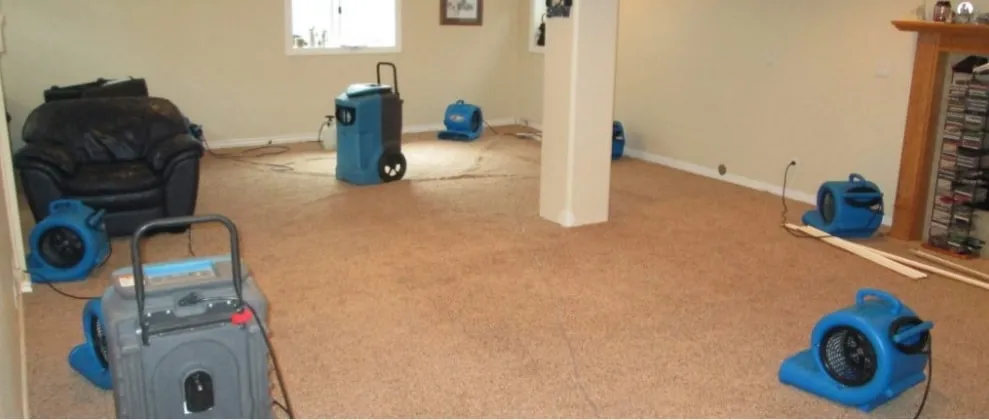
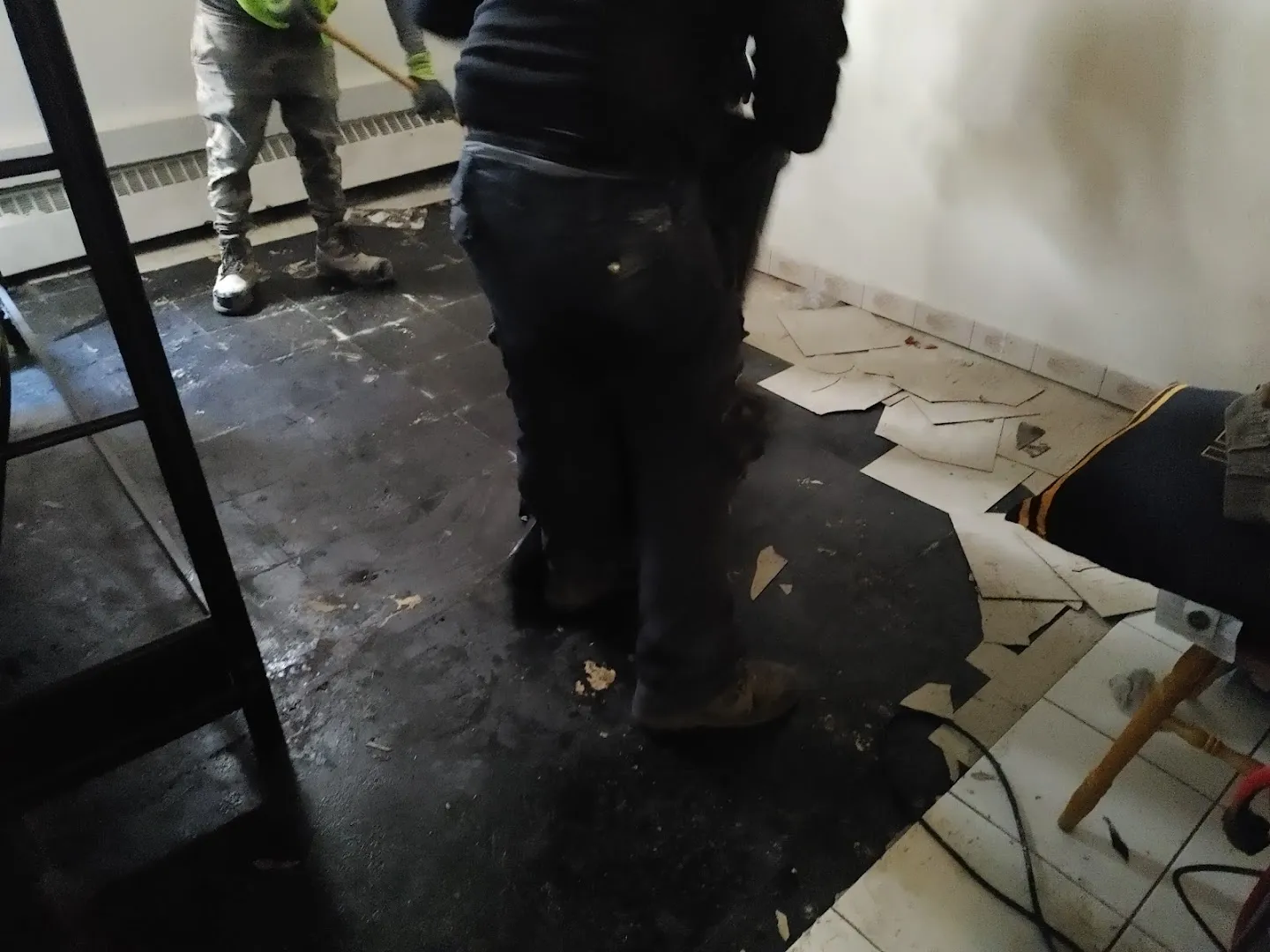
The flood cleanup process follows four sequential phases: water extraction, structural drying, sanitization, and restoration. Each phase builds upon the previous stage to ensure complete moisture removal and contamination control.
Phase 1: Water Extraction
- Remove standing water using submersible pumps
- Extract water from carpets with truck-mounted extractors
- Clear debris and sediment from affected areas
Phase 2: Structural Drying
- Deploy commercial dehumidifiers throughout the space
- Position high-velocity air movers to accelerate evaporation
- Monitor moisture levels with thermal imaging and meters
Phase 3: Sanitization
- Apply antimicrobial treatments to prevent mold growth
- Disinfect all surfaces contacted by contaminated water
- Address odor elimination through hydroxyl generators
Phase 4: Restoration
- Replace damaged drywall, insulation, and flooring
- Repair structural components compromised by water
- Clean and restore salvageable contents
What Equipment Do Professionals Use for Water Extraction?
Professional flood cleanup technicians use submersible pumps capable of removing 5,000-10,000 gallons per hour from heavily flooded spaces. Truck-mounted extraction units pull water from carpets and padding at 500 PSI pressure. Weighted extraction tools remove moisture from hardwood floors without causing additional damage.
Infrared cameras detect hidden moisture pockets behind walls and under flooring. Moisture meters provide precise readings to confirm complete drying.
How Long Does Structural Drying Take?
Structural drying takes 3-5 days for standard residential floods with proper equipment deployment. Concrete slabs require 7-10 days due to density and moisture retention properties. Hardwood floors need 5-7 days with specialized drying mats to prevent warping and cupping.

Mold-Free Guarantee

Direct Insurance Billing

Satisfaction Guaranteed
When Do Toronto Properties Experience Flooding?
Toronto properties experience flooding most frequently during spring thaw season (March-April) when rapid snowmelt overwhelms drainage systems. Summer storms between June and August produce flash flooding that exceeds sewer capacity within minutes.
Toronto's aging infrastructure contributes to basement flooding throughout the city. Combined sewer systems in older neighborhoods back up during heavy rainfall events. Properties built before 1980 face elevated flood risk due to deteriorating foundation waterproofing and outdated weeping tile systems.
Basement vulnerability increases in homes with below-grade living spaces, improper grading, or failed sump pumps. Ground-level properties near ravines face overland flooding during extreme precipitation events.
Does Basement Flooding Require Professional Cleanup?
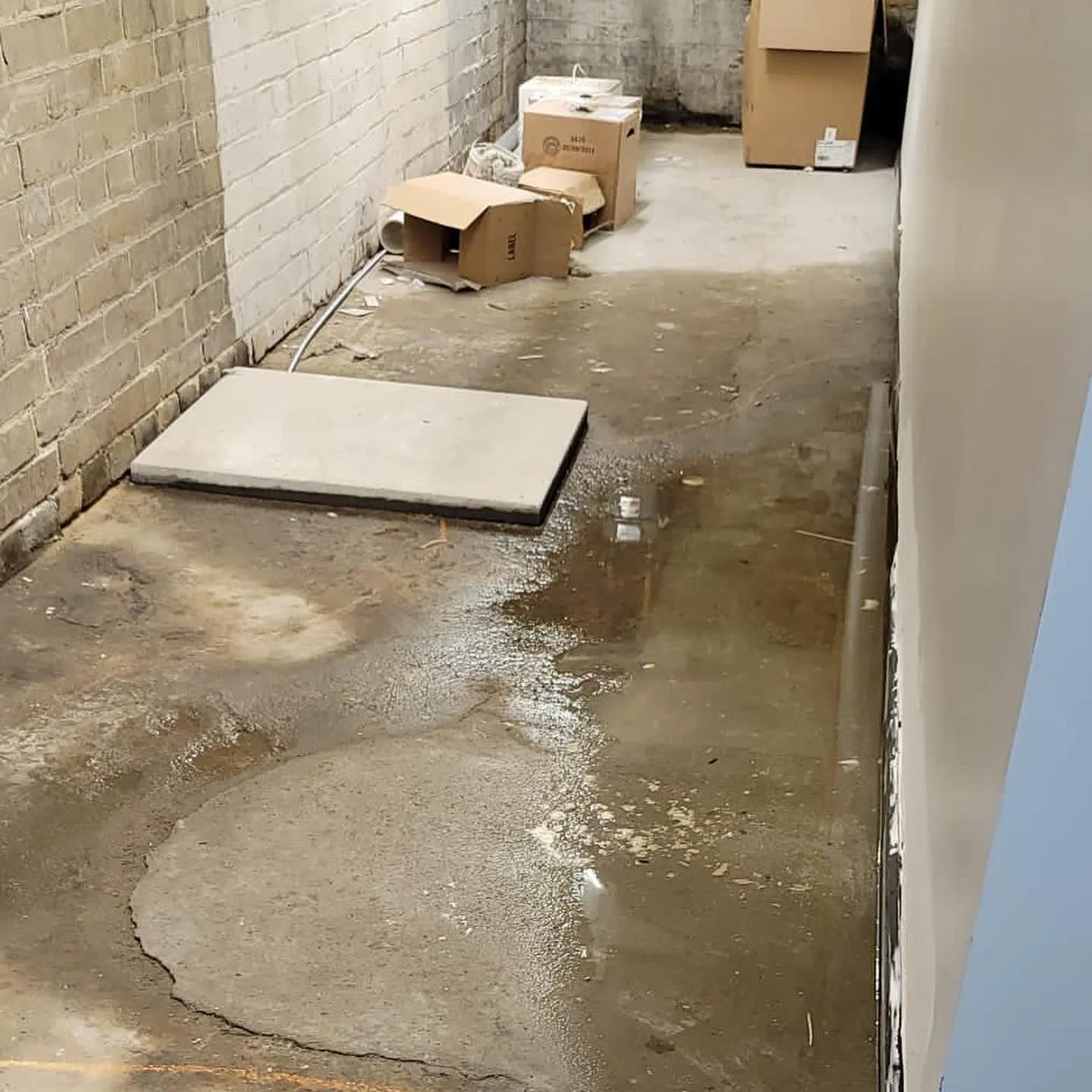
Yes, basement flooding requires professional cleanup when water depth exceeds 2 inches or contamination is present. Finished basements with drywall, carpet, or stored belongings need professional extraction equipment to prevent mold growth behind walls.
Professional assessment determines whether Category 2 or Category 3 water contamination exists. Gray water and black water require specialized disposal and disinfection protocols.
When Should You Call Professionals Instead of DIY Cleanup?
Call professionals instead of attempting DIY cleanup when floodwater contains sewage, chemicals, or external floodwater contamination. Water damage exceeding 100 square feet overwhelms consumer-grade equipment capabilities.
Electrical systems submerged in water create electrocution hazards requiring professional assessment. Structural damage affecting load-bearing walls or floor joists demands expert evaluation before occupancy.
What Are the Health Risks of Floodwater?
Floodwater poses three categories of health risks: contamination exposure, respiratory hazards, and secondary dangers from improper cleanup. Flooded buildings pose health risks including exposure to contaminated water, mold-triggered allergic reactions, and carbon monoxide from improper generator use, according to FEMA guidance on flood cleanup safety.
Category 1 water presents minimal health risks when extracted promptly. Category 2 gray water contains bacteria requiring protective equipment during cleanup. Category 3 black water carries pathogens including E. coli, Hepatitis A, and parasites requiring professional hazmat protocols.
Is Sewage-Contaminated Floodwater Dangerous?
Yes, sewage-contaminated floodwater (Category 3 black water) contains E. coli, Salmonella, and other dangerous pathogens. Direct contact causes gastrointestinal illness, skin infections, and eye irritation.
Aerosolized sewage particles create respiratory infection risks during cleanup activities. All porous materials contacted by black water require disposal rather than cleaning.
How Do Professionals Prevent Mold After Flooding?
Professionals prevent mold after flooding through rapid water extraction within 24 hours, commercial-grade dehumidification, and antimicrobial treatments. If any part of a home is exposed to flooding or leaks and is not fully dried within 24 to 48 hours, mold growth is almost certain, according to 2023 research by Parham Azimi at Harvard T.H. Chan School of Public Health.
Industrial dehumidifiers remove 30-50 gallons of moisture daily from affected spaces. Continuous air movement across wet surfaces accelerates evaporation rates by 300-400%. Antimicrobial sprays applied to structural materials inhibit mold spore germination during the drying process.
Can Mold Grow Behind Walls After Flooding?
Yes, mold grows behind walls after flooding because water wicks upward through drywall and insulation. Moisture travels 12-18 inches above visible waterlines through capillary action. Hidden wall cavities retain humidity longer than exposed surfaces.
Thermal imaging identifies moisture pockets invisible to visual inspection. Controlled demolition of lower drywall sections (flood cuts) allows cavity drying and prevents hidden mold colonization.
What Items Can Be Saved After Flooding?
Flood-damaged items that can be saved include hard-surface furniture, metal appliances, and non-porous decorative objects. Solid wood furniture without veneer responds well to professional drying and refinishing.
Salvageable items:
- Metal filing cabinets and appliances
- Solid wood furniture (non-laminate)
- Glass, ceramic, and plastic items
- Photographs (with professional freeze-drying)
Non-salvageable items:
- Upholstered furniture contacted by gray or black water
- Carpet padding and particleboard furniture
- Paper documents and books (unless freeze-dried immediately)
- Mattresses and pillows
What Does Flood Cleanup Cost in Toronto?
Flood cleanup costs in Toronto range from $1,500-$3,500 for small basement floods to $10,000-$25,000 for whole-home water damage restoration. Pricing depends on affected square footage, water category, and restoration scope.
| Flood Type | Square Footage | Typical Cost Range |
|---|---|---|
| Small basement flood | Under 300 sq ft | $1,500-$3,500 |
| Medium basement flood | 300-800 sq ft | $3,500-$7,500 |
| Large basement flood | 800-1,500 sq ft | $7,500-$15,000 |
| Multi-floor water damage | 1,500+ sq ft | $15,000-$25,000+ |
Does Insurance Cover Flood Cleanup Services?
Yes, standard homeowners insurance covers flood cleanup from sudden internal water sources like burst pipes or appliance failures. Sewer backup coverage requires a separate endorsement on most policies. Overland flooding from external sources requires additional flood insurance.
How Do I Document Flood Damage for Insurance?
Document flood damage for insurance by photographing all affected areas before cleanup begins. Record video walkthroughs showing water levels and damage extent. Keep damaged materials as evidence until adjuster inspection completes.
- Photograph every room from multiple angles
- Document serial numbers on damaged appliances
- Save receipts for emergency mitigation expenses
- Request written estimates from restoration contractors
Why Choose Toronto Wide Restorations for Flood Cleanup Services?
Toronto Wide Restorations delivers professional flood cleanup services with 60-minute response times across the Greater Toronto Area. Toronto Wide Restorations technicians hold IICRC certification in water damage restoration and mold remediation.
Toronto Wide Restorations deploys commercial-grade extraction and drying equipment capable of handling any flood scale. Direct insurance billing simplifies the claims process for Toronto property owners. 24/7 emergency dispatch ensures rapid response when flooding strikes.
Contact Toronto Wide Restorations today for immediate flood cleanup services. Fast action protects Toronto properties from mold damage and reduces restoration costs.
What Is Professional Flood Cleanup?
Professional flood cleanup is a systematic restoration process that extracts standing water, dries structural materials, and prevents secondary damage like mold growth within critical time windows. Toronto Wide Restorations provides comprehensive flood cleanup services that address water damage through coordinated extraction, drying, sanitization, and repair sequences. The 24-48 hour window after flooding determines whether properties experience minimal damage or catastrophic mold colonization.
Flood professionals categorize water damage into three types. Category 1 clean water originates from broken supply lines or rainwater. Category 2 gray water contains contaminants from dishwashers, washing machines, or sump pump failures. Category 3 black water carries sewage, chemicals, or floodwater from external sources. Each category requires specific handling protocols and protective equipment.
Why Does Flood Damage Require Immediate Response?
Flood damage requires immediate response because mold colonization begins within 24-48 hours of water exposure. Mold can start growing within 24 to 48 hours after water damage, according to the U.S. Environmental Protection Agency. This timeline leaves property owners a narrow window for effective intervention.
Rapid response reduces restoration costs by 40-60% compared to delayed cleanup. Standing water penetrates drywall, insulation, and subflooring within hours. Every additional day of moisture exposure increases structural damage exponentially.
How Does the Flood Cleanup Process Work?
The flood cleanup process follows four sequential phases: water extraction, structural drying, sanitization, and restoration. Each phase builds upon the previous stage to ensure complete moisture removal and contamination control.
Phase 1: Water Extraction
- Remove standing water using submersible pumps
- Extract water from carpets with truck-mounted extractors
- Clear debris and sediment from affected areas
Phase 2: Structural Drying
- Deploy commercial dehumidifiers throughout the space
- Position high-velocity air movers to accelerate evaporation
- Monitor moisture levels with thermal imaging and meters
Phase 3: Sanitization
- Apply antimicrobial treatments to prevent mold growth
- Disinfect all surfaces contacted by contaminated water
- Address odor elimination through hydroxyl generators
Phase 4: Restoration
- Replace damaged drywall, insulation, and flooring
- Repair structural components compromised by water
- Clean and restore salvageable contents
What Equipment Do Professionals Use for Water Extraction?
Professional flood cleanup technicians use submersible pumps capable of removing 5,000-10,000 gallons per hour from heavily flooded spaces. Truck-mounted extraction units pull water from carpets and padding at 500 PSI pressure. Weighted extraction tools remove moisture from hardwood floors without causing additional damage.
Infrared cameras detect hidden moisture pockets behind walls and under flooring. Moisture meters provide precise readings to confirm complete drying.
How Long Does Structural Drying Take?
Structural drying takes 3-5 days for standard residential floods with proper equipment deployment. Concrete slabs require 7-10 days due to density and moisture retention properties. Hardwood floors need 5-7 days with specialized drying mats to prevent warping and cupping.
When Do Toronto Properties Experience Flooding?
Toronto properties experience flooding most frequently during spring thaw season (March-April) when rapid snowmelt overwhelms drainage systems. Summer storms between June and August produce flash flooding that exceeds sewer capacity within minutes.
Toronto's aging infrastructure contributes to basement flooding throughout the city. Combined sewer systems in older neighborhoods back up during heavy rainfall events. Properties built before 1980 face elevated flood risk due to deteriorating foundation waterproofing and outdated weeping tile systems.
Basement vulnerability increases in homes with below-grade living spaces, improper grading, or failed sump pumps. Ground-level properties near ravines face overland flooding during extreme precipitation events.
Does Basement Flooding Require Professional Cleanup?
Yes, basement flooding requires professional cleanup when water depth exceeds 2 inches or contamination is present. Finished basements with drywall, carpet, or stored belongings need professional extraction equipment to prevent mold growth behind walls.
Professional assessment determines whether Category 2 or Category 3 water contamination exists. Gray water and black water require specialized disposal and disinfection protocols.
When Should You Call Professionals Instead of DIY Cleanup?
Call professionals instead of attempting DIY cleanup when floodwater contains sewage, chemicals, or external floodwater contamination. Water damage exceeding 100 square feet overwhelms consumer-grade equipment capabilities.
Electrical systems submerged in water create electrocution hazards requiring professional assessment. Structural damage affecting load-bearing walls or floor joists demands expert evaluation before occupancy.
What Are the Health Risks of Floodwater?
Floodwater poses three categories of health risks: contamination exposure, respiratory hazards, and secondary dangers from improper cleanup. Flooded buildings pose health risks including exposure to contaminated water, mold-triggered allergic reactions, and carbon monoxide from improper generator use, according to FEMA guidance on flood cleanup safety.
Category 1 water presents minimal health risks when extracted promptly. Category 2 gray water contains bacteria requiring protective equipment during cleanup. Category 3 black water carries pathogens including E. coli, Hepatitis A, and parasites requiring professional hazmat protocols.
Is Sewage-Contaminated Floodwater Dangerous?
Yes, sewage-contaminated floodwater (Category 3 black water) contains E. coli, Salmonella, and other dangerous pathogens. Direct contact causes gastrointestinal illness, skin infections, and eye irritation.
Aerosolized sewage particles create respiratory infection risks during cleanup activities. All porous materials contacted by black water require disposal rather than cleaning.
How Do Professionals Prevent Mold After Flooding?
Professionals prevent mold after flooding through rapid water extraction within 24 hours, commercial-grade dehumidification, and antimicrobial treatments. If any part of a home is exposed to flooding or leaks and is not fully dried within 24 to 48 hours, mold growth is almost certain, according to 2023 research by Parham Azimi at Harvard T.H. Chan School of Public Health.
Industrial dehumidifiers remove 30-50 gallons of moisture daily from affected spaces. Continuous air movement across wet surfaces accelerates evaporation rates by 300-400%. Antimicrobial sprays applied to structural materials inhibit mold spore germination during the drying process.
Can Mold Grow Behind Walls After Flooding?
Yes, mold grows behind walls after flooding because water wicks upward through drywall and insulation. Moisture travels 12-18 inches above visible waterlines through capillary action. Hidden wall cavities retain humidity longer than exposed surfaces.
Thermal imaging identifies moisture pockets invisible to visual inspection. Controlled demolition of lower drywall sections (flood cuts) allows cavity drying and prevents hidden mold colonization.
What Items Can Be Saved After Flooding?
Flood-damaged items that can be saved include hard-surface furniture, metal appliances, and non-porous decorative objects. Solid wood furniture without veneer responds well to professional drying and refinishing.
Salvageable items:
- Metal filing cabinets and appliances
- Solid wood furniture (non-laminate)
- Glass, ceramic, and plastic items
- Photographs (with professional freeze-drying)
Non-salvageable items:
- Upholstered furniture contacted by gray or black water
- Carpet padding and particleboard furniture
- Paper documents and books (unless freeze-dried immediately)
- Mattresses and pillows
What Does Flood Cleanup Cost in Toronto?
Flood cleanup costs in Toronto range from $1,500-$3,500 for small basement floods to $10,000-$25,000 for whole-home water damage restoration. Pricing depends on affected square footage, water category, and restoration scope.
| Flood Type | Square Footage | Typical Cost Range |
|---|---|---|
| Small basement flood | Under 300 sq ft | $1,500-$3,500 |
| Medium basement flood | 300-800 sq ft | $3,500-$7,500 |
| Large basement flood | 800-1,500 sq ft | $7,500-$15,000 |
| Multi-floor water damage | 1,500+ sq ft | $15,000-$25,000+ |
Does Insurance Cover Flood Cleanup Services?
Yes, standard homeowners insurance covers flood cleanup from sudden internal water sources like burst pipes or appliance failures. Sewer backup coverage requires a separate endorsement on most policies. Overland flooding from external sources requires additional flood insurance.
How Do I Document Flood Damage for Insurance?
Document flood damage for insurance by photographing all affected areas before cleanup begins. Record video walkthroughs showing water levels and damage extent. Keep damaged materials as evidence until adjuster inspection completes.
- Photograph every room from multiple angles
- Document serial numbers on damaged appliances
- Save receipts for emergency mitigation expenses
- Request written estimates from restoration contractors
Why Choose Toronto Wide Restorations for Flood Cleanup Services?
Toronto Wide Restorations delivers professional flood cleanup services with 60-minute response times across the Greater Toronto Area. Toronto Wide Restorations technicians hold IICRC certification in water damage restoration and mold remediation.
Toronto Wide Restorations deploys commercial-grade extraction and drying equipment capable of handling any flood scale. Direct insurance billing simplifies the claims process for Toronto property owners. 24/7 emergency dispatch ensures rapid response when flooding strikes.
Contact Toronto Wide Restorations today for immediate flood cleanup services. Fast action protects Toronto properties from mold damage and reduces restoration costs.
Service Area: Toronto, Ontario
We proudly serve Toronto, Ontario and surrounding areas
Customer Reviews
"Spring melt flooded our finished basement in Toronto. Six inches of standing water. Called at 5 AM and Bary had a crew here by 6. They pumped everything out, pulled the baseboards, cut the drywall to the flood line, and had industrial dryers running within hours. The whole process from flood to finished took about ten days. Our basement looks better than it did before."
"Our Richmond Hill home flooded after a torrential downpour backed up the storm drain into our basement. These guys had three fans and two dehumidifiers set up within a few hours of my call. Miguel handled the whole cleanup and kept us updated every step of the way. Two weeks later you would never know it happened."
"What a great experience! So Happy i chose this company when my home basement flooded in the middle of the night. Quick and professional but also a friendly team."
Ready to Get Started?
Get professional flood cleanup services services in Toronto, Ontario today. Call now for immediate assistance or get a free quote.
Professional Service
Trusted experts in your area
Quick Response
Fast and reliable service
Fully Licensed
Certified and insured professionals